Senior Music Therapy Held at Silver Lining Old Age Home

Updated: Nov 21, 2025
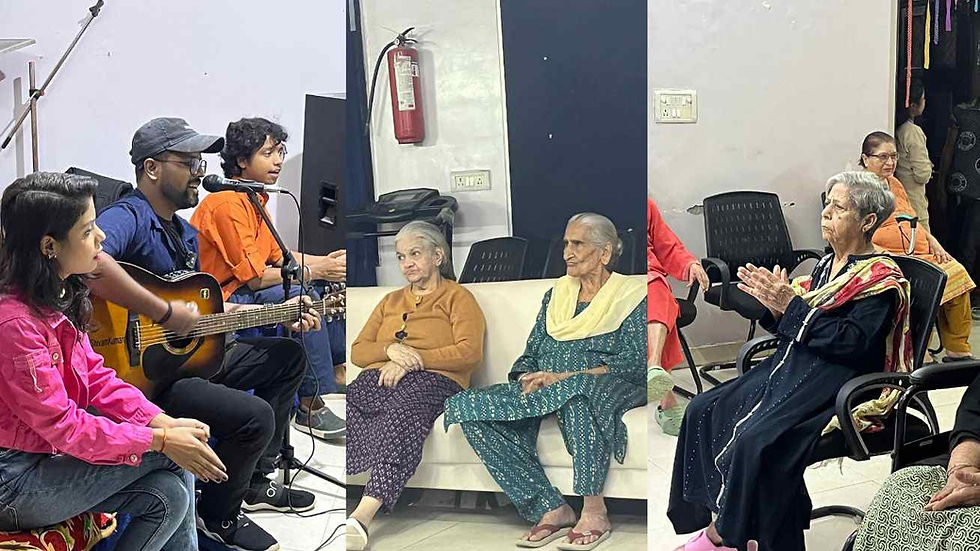
Music has been an effective healing, bonding, and boosting power of the human spirit. The Sunrise team was at Silver Lining Old Age Home yesterday to arrange a heartwarming session on the topic of senior music therapy. Something that began as an innocent activity ended up being an experience with smiles, relaxation, and emotional release for the elderly residents. The relaxing environment, recognizable music, and friendly communication provided a cozy environment in which the seniors were made to feel refreshed, emotionally and even valued throughout the session.
This blog will discuss what the significance of senior music therapy is, its effect on mental and emotional health, and what transpired during this special occasion.
Why Senior Music Therapy Matters for Elder Well-Being
Senior music therapy is not simply an activity; it is a scientifically supported method with emotional, cognitive, and social health benefits. The seniors tend to be lonely, forgetful, stressed, and immobile. Music serves as a mild channel that can be used to reduce anxiety, activate memory, and facilitate all forms of interaction without physical effort.
In Silver Lining Old Age Home, most residents stated that music makes them feel less lonely, reminds them of old memories, and keeps them mentally active. The gentle sounds and songs in the session made the relaxed atmosphere that enabled them to be calm enough, more open with one another, and just have fun. To most of the elders, these therapeutic activities provide a rare chance to be heard, appreciated, and attached.
👉 Explore scientific evidence of music interventions enhancing elder wellness
A Peaceful Morning Filled with Melodies and Smiles
The music therapy session commenced with slow and relaxing music to enable everybody to relax. When the music filled the hall, the elders were tapping their feet in a slow manner, humming along, and swaying in the rhythm. Others shut their eyes to enjoy the quietness, and others gazed with a contented feeling about them.
In a few minutes there was an electric change in the atmosphere from silent watching to the rapture of participation. The older generation began to sing well-known songs of their younger years, and this brought a surprising sense of solidarity. The atmosphere in the room became less grimy, the talks were more effortless, and the laughter was heard from one corner to another. Music was a medium linking strangers, generations, and memories.
What was even more special was the apparent ease and composure on their faces. Most seniors said that they had not felt this relaxed in weeks. A basic music class was transformed into a cozy, social event that helped to maintain emotional health and stimulate the psyche.

Healing Benefits Observed During the Music Session
During the event, the team could note some positive changes that are usually associated with senior music therapy. The elders who appeared withdrawn at first gradually began to participate by applauding, tapping, or humming along. These trivial activities signify a lack of anxiety and a better mood.
Music was also used to stimulate their long-term memory. Elderly people have remembered the words of old songs, told stories that happened many years ago, and related the songs to themselves. This is a natural process that enhances cognitive abilities, particularly among the elders who are faced with the problem of memory as a result of old age.
The next observable result was enhanced socialization. A significant number of residents who do not actively participate in group activities were happy to attend the session. They would motivate one another to sing, enjoyed the voices of their counterparts, and shared happy feelings together.
This social commitment is important towards alleviating loneliness among the older generation in old age homes.
👉 Learn how music therapy improves cognitive & emotional health in seniors
The Impact of Group Singing on Emotional Wellness
Among the best moments of the day, two elderly men stood up on stage and sang to one another without any fear. Some old ballad was resounding in the room, and they all sang in harmony. Music helped to create a feeling of fitting in—a reminder that there is no age to joy.
Elderly music therapy involves singing together, as it promotes emotionality. The majority of elders have unarticulated concerns or pressure. Singing helps in the release of emotional pressure, strengthens the breathing, and gives one the impression of liberation. Even the timid residents felt at ease with the collective singing during the session, and this is a piece of evidence of how music can be used to open the hearts and minds of residents in a gentle manner.
It was this experience that enhanced the community at Silver Lining Old Age Home. It demonstrated that even little things of happiness may serve as effective healing experiences for the elderly.
👉 WebMD explains key benefits of senior music therapy for emotional wellbeing

Music as a Tool for Relaxation and Stress Relief
Music therapy was relaxing, and this is reflected in the session. The relaxed, slow, melodious songs helped to decrease the level of stress and provided a quiet atmosphere. The elders were cheerful, serene, and heavily engrossed in the melodies.
Daily demands, be it physical pain or loneliness, can be long-term stressors to many seniors. Music is a healthy way to relax. Rhythmic movement assists in moderating breathing, muscle relaxation, and creating a mind-soothing effect.
Some residents mentioned that they felt less so and happier after the session. Others said that they had not been this peaceful in a long time. These reactions are indicative of how senior music therapy may be incorporated as a routine of elder wellness programs in order to facilitate relaxation and mental balance.
Conclusion: A Heartwarming Day that Resounded in a Wasteland of Lives.
The elderly music therapy session at Silver Lining Old Age Home was not just an event, but it was a wonderful reminder that small things of care could have a long-lasting emotional effect. The elders did not only listen to the music but also associated with one another, shared their emotions, and were truly happy.
Music can make one feel better, happier, and more motivated. In the case of the aged, it is a life-affirming device that has the potential to console, boost memories, and enhance mental health. The mood of the session demonstrated that the therapeutic activities, in particular music-based ones, can add significance to the lives of elderly individuals.
When the music passed away, the smiles lingered—a positive indication of the extent to which music reached their hearts.
FAQs on Senior Music Therapy for Elderly Well-Being
1. What is elderly music therapy and why do the elderly need it?
Senior music therapy involves the use of music to enhance emotional, mental and social wellbeing. It decreases loneliness, stress, improves mood, and contributes to relaxation among the elder citizens.
2. What do the benefits of music therapy among seniors in old age homes entail?
The use of music therapy makes the seniors feel connected, active, and emotionally supported. It helps to engage in more, decreases anxiety, adds happiness, and generates a social atmosphere of friendliness.
3. Will music therapy improve the memory of the elderly with memory loss or dementia?
Yes, popular songs trigger memory, enhance the thinking ability and enable one to recall previous experiences. It maintains the brain functionality and helps in calming dementia-induced or memory-challenged seniors.
4. What activities are included in a senior music therapy session?
Practices can involve music listening, humming, applause, group singing and beat movements. Such activities encourage happiness, leisure, cognitive stimulation, and physical closeness.
5. What is the benefit of group singing on the emotional health of the seniors?
Group singing helps in relieving stress, enhancing confidence and making one happier. It allows the elderly to share their feelings, feel inspired and have a great sense of unity and belonging.


Comments